Driving test preparation
Turn individual skills into safe, consistent driving. Focus on recurring faults and decisions you need to make independently.
£40 per hour · Regular lessons
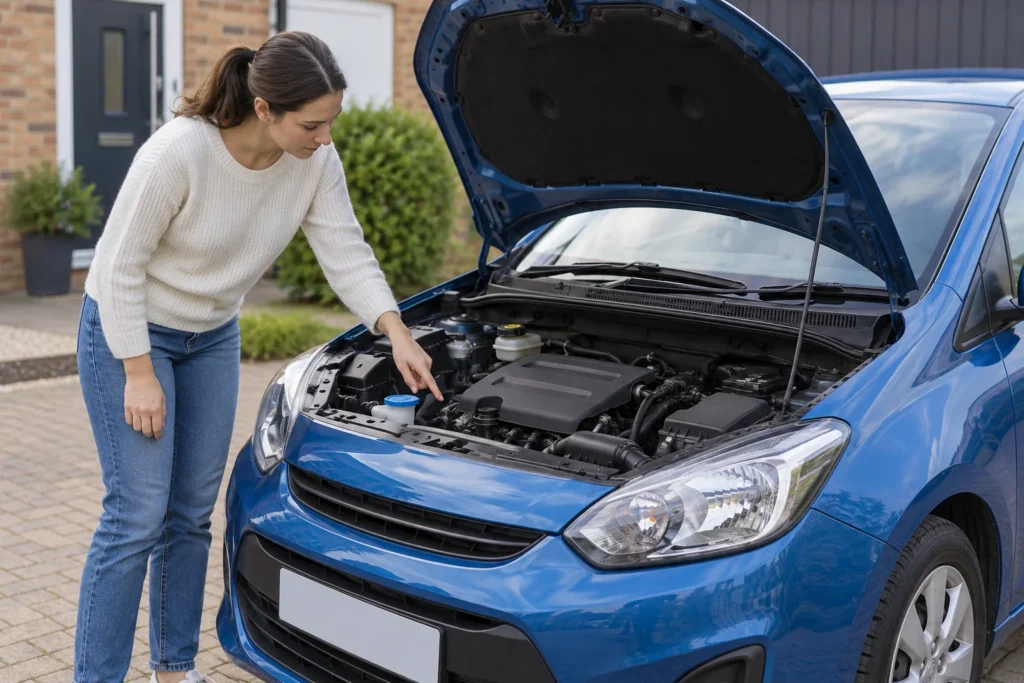
Who this suits
For learners bringing their skills together before a practical test, including those working on previous instructor or examiner feedback. A booked test is a target, not proof that you are ready.
Bring a clear picture of your driving
- Share previous instructor or examiner feedback and the situations you find difficult.
- If a test is booked, include its date and centre.
- Identify where you still need prompts: observations, positioning, speed or decisions.
- Agree readiness, lesson car availability and any test day charges separately.
Turn feedback into a practice plan
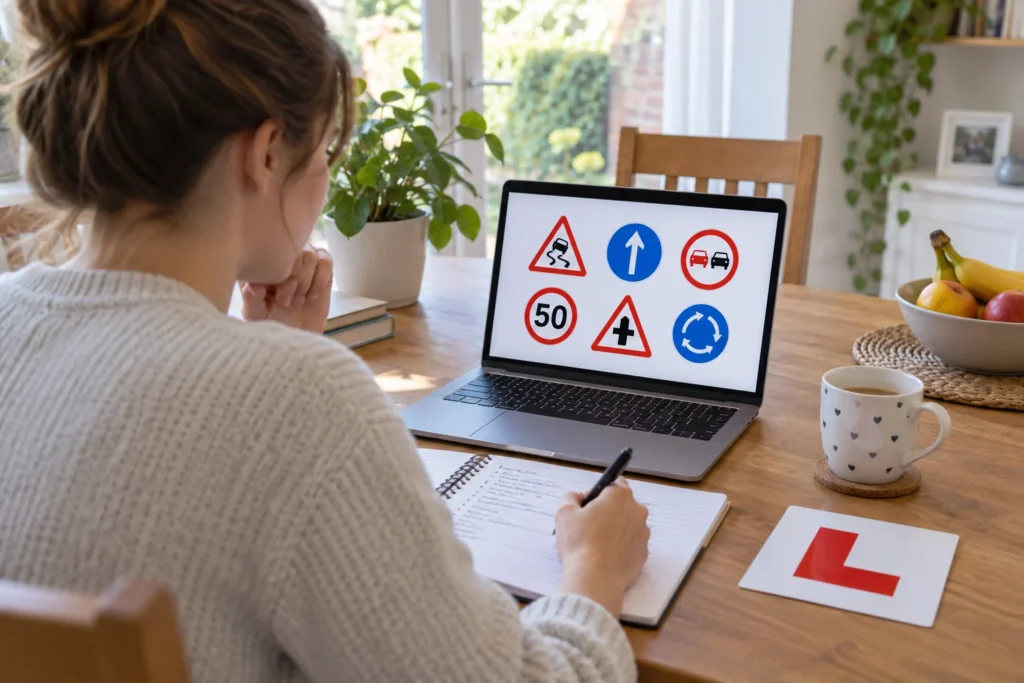
Find the recurring difficulty
Review where a fault appears: moving away, changing direction, reversing or particular junctions and layouts.
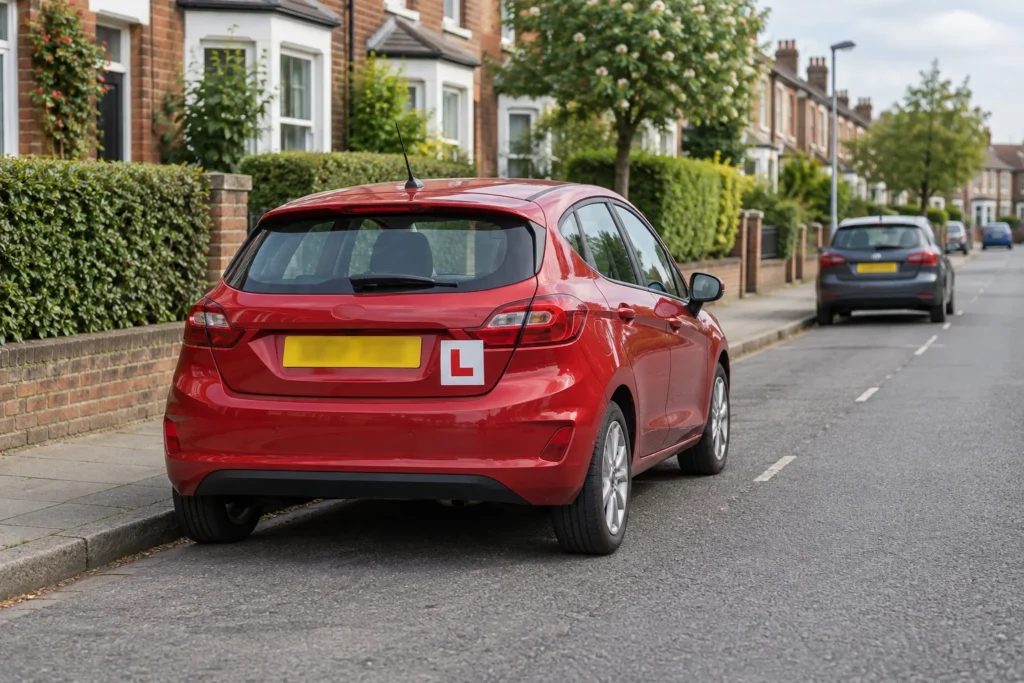
Practise without prompts
Combine observations, speed and road position while following sat nav directions or signs. Include parking, reversing and calm responses to change.
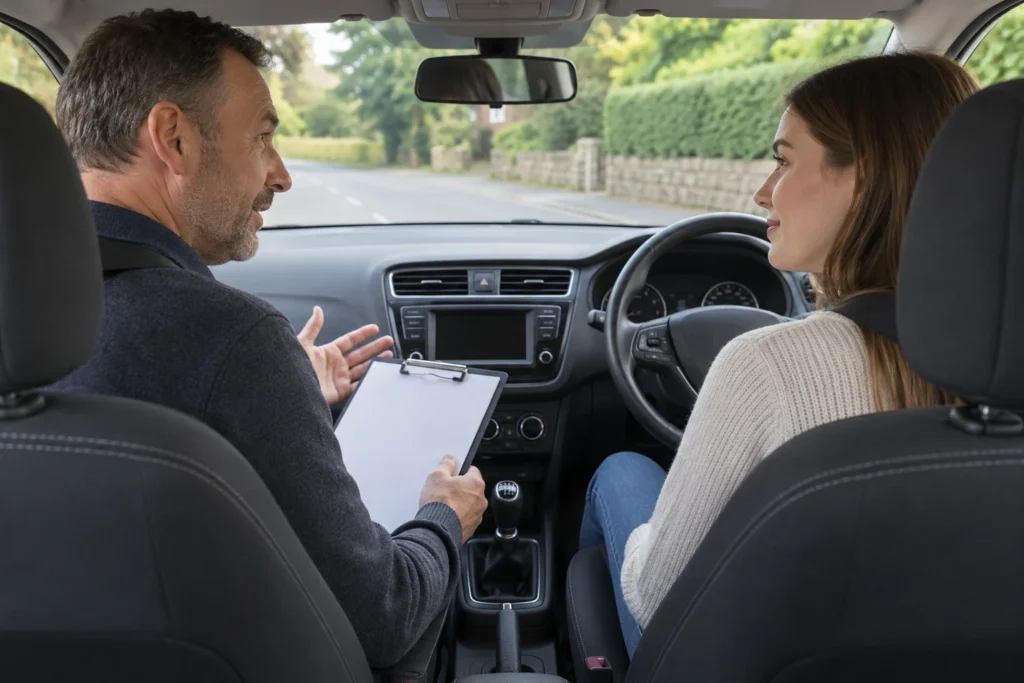
Check readiness and arrangements
Ask about a mock test and use the feedback to set new goals. Confirm readiness, car availability and test day costs before relying on them.
Skills you can work on
Observation and planning
Review mirrors, signals, signs, crossings and meeting traffic. Anticipate other road users and keep smooth control.
Junctions and lane choices
Revisit turns, T junctions, crossroads and roundabouts. Identify whether an error starts with your approach, observation, position or decision.
Manoeuvres and vehicle checks
Practise parallel and bay parking, reversing, emergency stops and safety checks with the observations each needs.
Independent driving and feedback
Follow signs and sat nav while maintaining safe speed and observation. Use a mock test to prioritise recurring errors.
Choose preparation that matches your ability
£40
per hour
Use instructor or examiner feedback to focus your lessons on the skills that still need attention.
Questions about test preparation
Readiness, booking your appointment and arranging a car for test day.
What does being test ready mean?
Discuss whether you can choose a safe speed and position, observe without reminders and make decisions across varied road situations. One good practice drive or a memorised route is not enough.
Use the DVSA learning progress record to understand the skills involved.
Who books, changes or cancels the practical test?
You must book, change or cancel your car driving test yourself through GOV.UK. Discuss readiness and instructor availability before choosing a date. A course does not guarantee a test appointment or a pass.
What happens during the practical test?
The practical test includes an eyesight check, vehicle safety questions, general driving with independent driving, and reversing. Include these skills in your preparation.
What do I need to confirm before paying?
Agree instructor and lesson car availability for your appointment separately, together with any test day charges. Confirm exactly what your course or lessons include.
Send your experience and test details so we can discuss the next step.
Ask about test preparation
Share the skills you want to improve and any instructor or examiner feedback. Include your test date if one is booked.